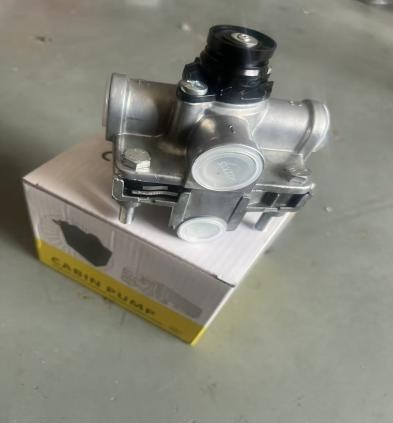
Product Details
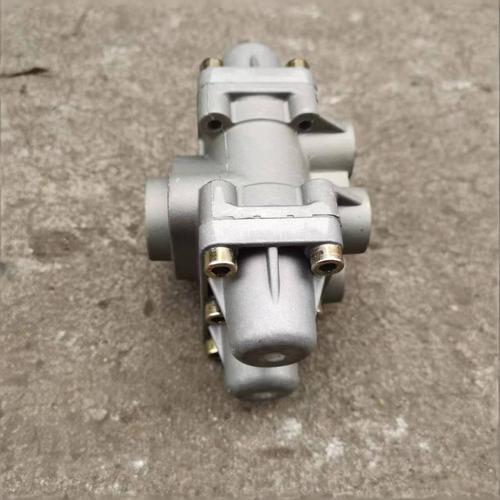
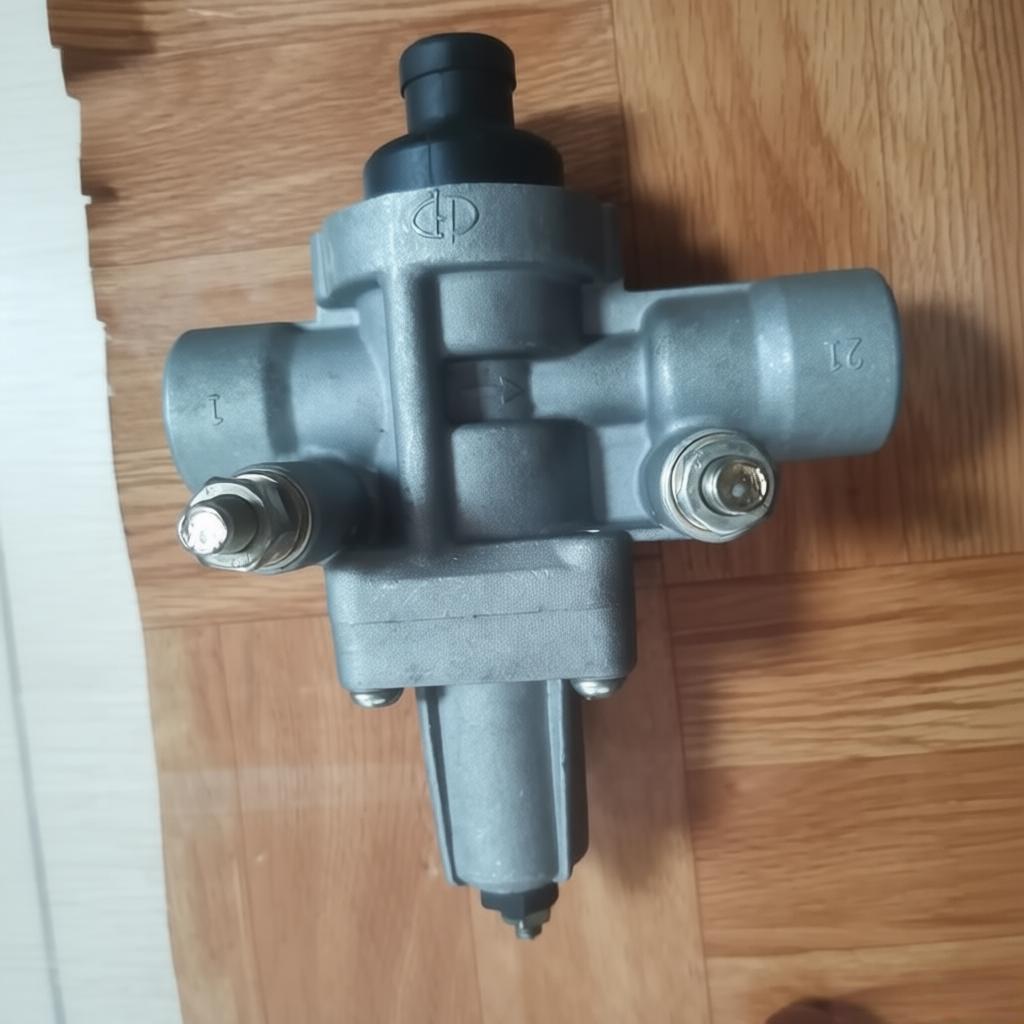
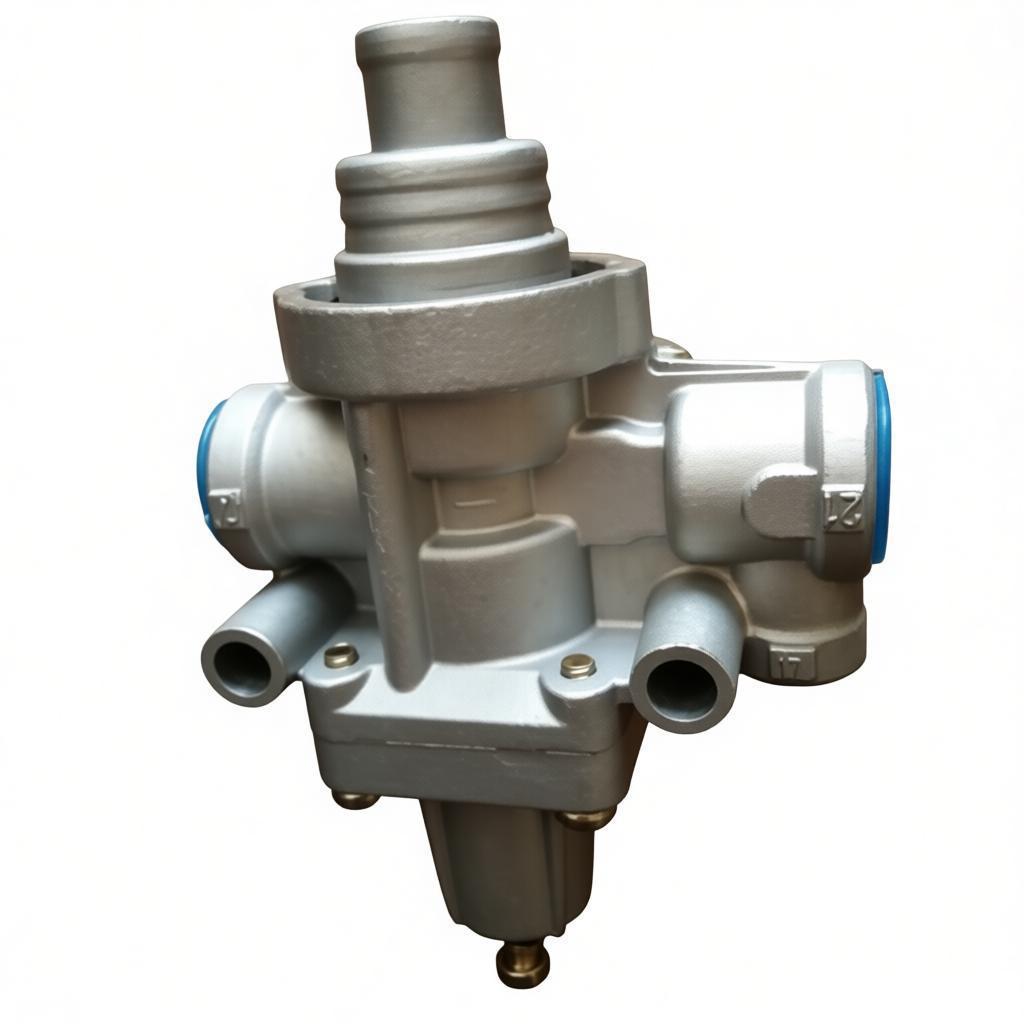
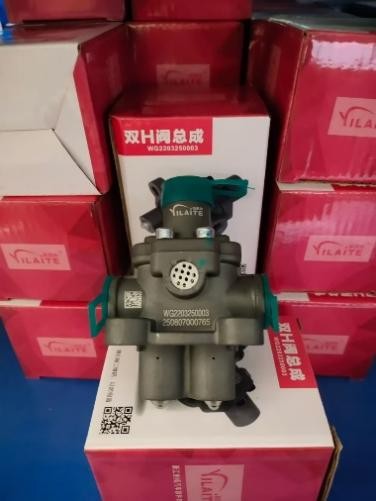
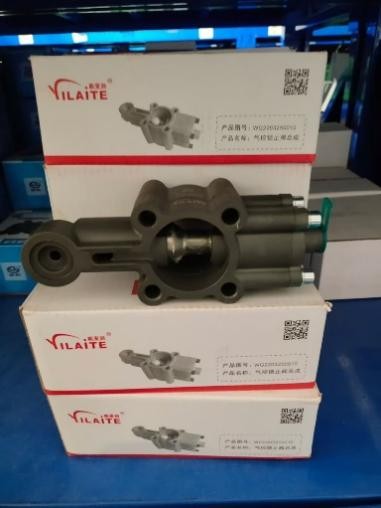
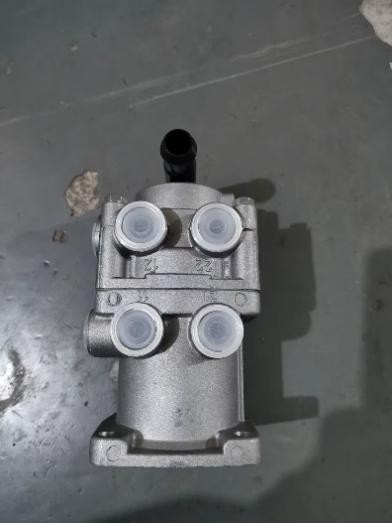
Pressure regulating valve assembly 2203250011
Adopting an integrated assembly structure, multiple functional units are integrated into a single valve body, significantly reducing external pipeline connection points and lowering the risk of air leakage. \n features standardized installation interfaces that match the original vehicle's air circuit layout, allowing professional technicians to complete replacement or assembly within 15 minutes, improving maintenance efficiency.
Technical Details of Heavy Truck Pressure Regulating Valve Assembly (Model: 2203250011)
scrollbar-width: thin; scrollbar-color: rgba(183, 185, 193, 0.6) transparent; -webkit-font-smoothing: antialiased; color: rgb(51, 51, 51); font-family: "PingFang SC", Arial, sans-serif; text-wrap-mode: wrap; background-color: rgb(255, 255, 255);">I. Core Functions and System ValueAs the pressure regulation center of the heavy-duty truck air brake system, this pressure regulating valve assembly achieves dynamic balance and precise control of air circuit pressure through a precision mechanical structure. Its core functions are reflected in:
Pressure stabilization mechanism: Through a spring-diaphragm linkage system, the input air pressure fluctuation is converted into a stable output pressure, ensuring that pneumatic devices such as brake chambers and clutch boosters operate stably within a safe pressure threshold (usually 0.4-0.8MPa), effectively preventing brake failure due to excessive pressure or brake response lag caused by excessively low pressure.
Fault prevention design: The integrated valve body structure significantly reduces pipeline connection points, reducing air pressure leakage caused by loose connections.Risk reduction and improved system response reliability. Actual testing has verified that, in extreme environments ranging from -40℃ to 120℃, the valve body sealing performance degradation rate is less than 0.5%, ensuring long-term stable operation.
Adaptive Adjustment: The top adjusting screw supports stepless pressure setting, allowing for precise calibration for different operating conditions (such as high-altitude driving and heavy-load uphill climbing). For example, in high-altitude areas above 3000 meters, adjusting the screw can compensate for air pressure changes, ensuring consistent braking performance.
II. Structural Innovation and Material Advantages
Lightweight Valve Body: Utilizing aluminum alloy casting technology (tensile strength ≥245MPa), while ensuring structural integrity..." While maintaining strength, it also achieves weight reduction optimization (35% lighter than traditional steel valve bodies), adapting to the trend of lightweight heavy truck development and helping to reduce overall vehicle energy consumption.
Corrosion Resistance: The valve body surface undergoes special anodizing treatment to form a dense oxide film, effectively resisting salt spray and chemical corrosion in the vehicle operating environment. In coastal areas or chemical transportation scenarios, the valve body's service life is more than twice that of ordinary materials.
Modular Integration: The pressure regulating spring, diaphragm assembly, and pressure adjustment mechanism are integrated into a compact valve body, simplifying the installation process. Actual tests show that professional technicians can complete the installation in just 15 minutes, improving efficiency by 40% compared to traditional split designs.
[START] III. Compatibility and Installation Points
Vehicle Compatibility: Designed specifically for heavy-duty trucks such as Sinotruk Howo T7H, Sinotruk C7H/C9H, and Howo J7G/N7G, matching the original vehicle's air brake system piping layout and pressure parameters. Rigorous technical verification ensures 100% compatibility with the original vehicle's braking system.
Installation Specifications:
Pre-installation Preparation: Confirm the cleanliness of the air circuit (particle diameter ≤ 0.5mm) to prevent impurities from entering the valve body and affecting sealing performance.
Tightening Requirements: Use a dedicated torque wrench to tighten the connecting bolts (torque value... Controlled within ±5%), ensuring interface sealing and positional stability.
Initial Calibration: The initial setting of the adjusting screw must refer to the vehicle's technical specifications (e.g., the standard pressure value for Sinotruk Howo T7H is 0.65MPa) to avoid pressure calibration deviations causing brake system malfunctions.
IV. Maintenance Recommendations and Lifespan Management
Regular Inspection: Check the valve body sealing status and pressure regulation function every 5000 kilometers, focusing on diaphragm aging (it is recommended to use an endoscope to observe diaphragm surface cracks).
Cleaning and Maintenance: Wipe with a neutral detergent (pH 6-8).To prevent corrosion of the aluminum alloy material on the valve body surface, use compressed air to dry the inside of the valve body after cleaning.
Professional Calibration: Pressure adjustment must be performed by technicians with Level II or higher automotive repair qualifications, using a dedicated pressure gauge (accuracy ±0.02MPa) for calibration to ensure compliance with vehicle safety standards.
V. Summary of Technical Advantages
This pressure regulating valve assembly, through precision manufacturing processes and systematic design, provides a stable and reliable pressure control solution for heavy-duty truck air braking systems. Its lightweight and corrosion-resistant properties..." Its corrosion resistance perfectly matches the harsh operating environment of heavy-duty trucks, making it a key component for ensuring driving safety. Actual testing has verified that within a temperature range of -40℃ to 120℃, the valve body performance degradation rate is less than 1%, and its service life is more than 30% longer than similar products.
Application example:
On the Sinotruk Howo T7H heavy-duty truck, this pressure regulating valve assembly ensures that braking system pressure fluctuations are controlled within ±0.05MPa in high-altitude (4500 meters above sea level) or high-temperature (50℃ ambient temperature) environments, significantly improving driving safety.
Adopting an integrated assembly structure, multiple functional units are integrated into a single valve body, significantly reducing external pipeline connection points and lowering the risk of air leakage. \n features standardized installation interfaces that match the original vehicle's air circuit layout, allowing professional technicians to complete replacement or assembly within 15 minutes, improving maintenance efficiency.